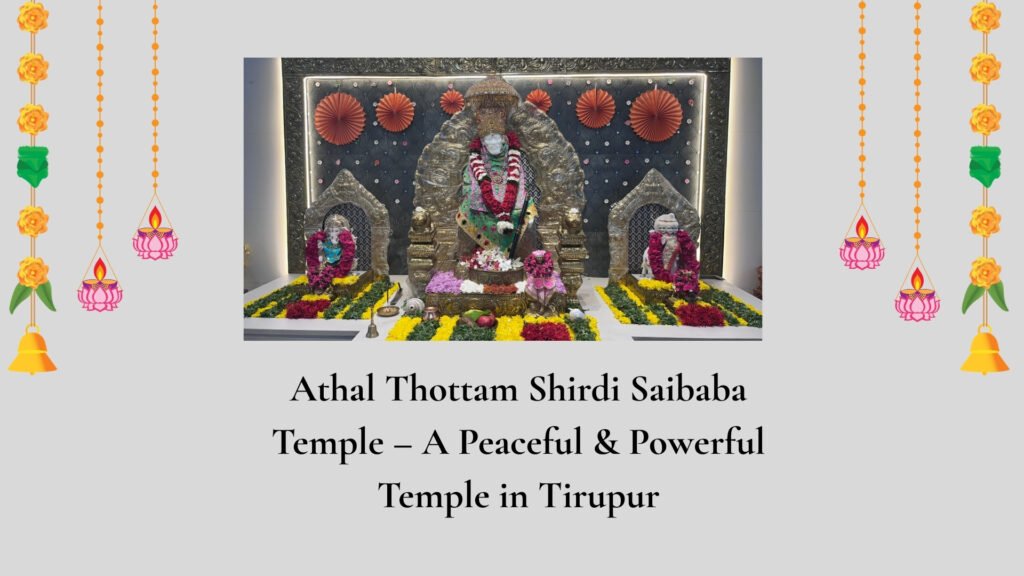
Athal Thottam Shirdi Saibaba Temple – A Peaceful & Powerful Temple in Tirupur
In the heart of Tamil Nadu’s textile city lies a spiritual sanctuary that devotees lovingly call one of the most peaceful temples in Tirupur. The Athal Thottam Shirdi Saibaba Temple, owned and maintained by the Thiyagi S.N. Sundarambal Trust, has become a divine landmark for those seeking blessings, healing, and inner calm. For many devotees, this is not just a Tirupur Saibaba temple—it is a place where faith meets experience. A Divine Presence in Tirupur The temple is dedicated to Sai Baba of Shirdi, the revered saint known for his teachings of love, unity, patience, and faith. Inspired by the original shrine at Shirdi Sai Baba Temple, this Shirdi Saibaba temple at Tirupur brings the spiritual vibrations of Shirdi closer to devotees in and around Tirupur. The serene idol of Baba, seated in his classic blessing posture, radiates compassion and strength. Devotees often share that the moment they step inside the temple, they feel a wave of calmness wash over them. Why It Is Known as a Powerful Temple in Tirupur Among locals, Athal Thottam Shirdi Saibaba Temple is often described as a Tirupur powerful temple. Many devotees believe that sincere prayers offered here bring clarity, solutions, and peace of…
Sai Baba Miracles: Faith That Inspires Devotees | SNS Trust Tirupur
Introduction Faith has a quiet power—it does not demand proof, yet it transforms lives. For millions of devotees, Saibaba represents that gentle strength, guiding them through uncertainty with compassion and hope. Stories of Sai Baba miracles are not just tales of divine intervention; they are deeply personal experiences of trust, surrender, and inner change. At places like the Athal Thottam Shirdi Saibaba Temple, nurtured by SNS TRUST TIRUPUR, this faith continues to inspire seekers from all walks of life. Understanding Sai Baba’s Message of Faith Shirdi Sai never encouraged blind belief. His teachings emphasized Shraddha (faith) and Saburi (patience)—principles that continue to anchor devotees even today. According to historical records from the Shri Saibaba Sansthan Trust, Shirdi, Sai Baba guided people to look inward, reminding them that faith is lived through compassion, humility, and service. Unlike many spiritual figures, Sai Baba welcomed people of all religions, often quoting both the Quran and Hindu scriptures. This universality is one reason his miracles resonate across cultures—they are rooted not in ritual alone, but in lived faith. Miracles: Then and Now – A Living Comparison Miracles During Sai Baba’s Lifetime Documented in texts like Shri Sai Satcharita, miracles during Sai Baba’s lifetime often…
“The History of Shri Saibaba Sansthan Trust and Its Devotional Mission”
Introduction There’s a whisper of peace that settles in your heart the moment you hear “Om Sai Ram.” For millions of devotees, Saibaba of Shirdi represents more than devotion — he embodies Shraddha (faith) and Saburi (patience), timeless life lessons that guide daily living. At the center of this spiritual legacy stands the Shri Saibaba Sansthan Trust (SNS Trust), the authorized body managing Shirdi’s sacred temples and spreading Baba’s message across generations. From daily aarathi rituals to profound social outreach, the Trust’s history is as inspiring as the saint it venerates. sai.org.in A Journey Rooted in Faith: The Origins of the Sansthan Trust The Shri Saibaba Sansthan Trust was formed to administer the activities centered around the Shri Saibaba Samadhi Mandir — the sacred resting place of Sai Baba after his Mahasamadhi in 1918. Wikipedia Originally managed under legal oversight, the Trust was formally reconstituted by the Shree Sai Baba Sansthan Trust (Shirdi) Act, 2004 to strengthen governance, accountability, and community services. sai.org.in From early days of modest pilgrimage to the present-day millions who visit Shirdi annually, the Trust has played an indispensable role in: This blend of ritual preservation and social mission has turned a humble village into one…
“Why Visiting Shirdi is More Than a Pilgrimage – It’s a Life Experience”
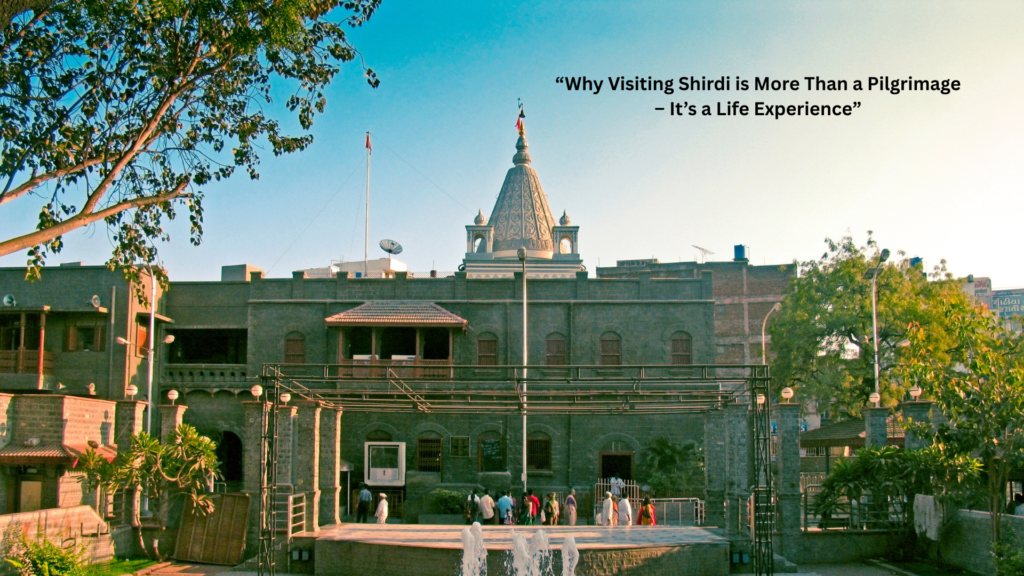
Introduction: A Pilgrimage That Becomes a Turning Point For millions of devotees, Shirdi isn’t just a destination — it’s a crossroads of the heart and soul. Walking into the sacred precincts where Saibaba lived, taught, and blessed generations feels unlike any ordinary visit. More than a religious journey, it becomes a profound life experience — a chance to reflect, realign, and reawaken what truly matters. From the soulful Aarathi to the sacred traditions upheld by SNS Trust, every moment in Shirdi is a lesson in humility, hope, and devotion. The Essence of Shirdi: Beyond Rituals, Into the Heart A Living Legacy of Faith Shirdi stands today as one of India’s most revered pilgrimage sites, drawing tens of thousands of devotees daily to the Shri Sai Baba Samadhi Mandir and surrounding spiritual spots. This legacy of devotion continues centuries after Sai Baba’s earthly life — a testament to how his teachings transcend time, place, and culture. People come with hopes, fears, burdens, and unanswered questions — and many leave carrying a renewed sense of peace. That transformation is what makes Shirdi more than a place on a map; it becomes an inner journey. Aarti, Pooja & Sacred Rhythm of Daily Worship…
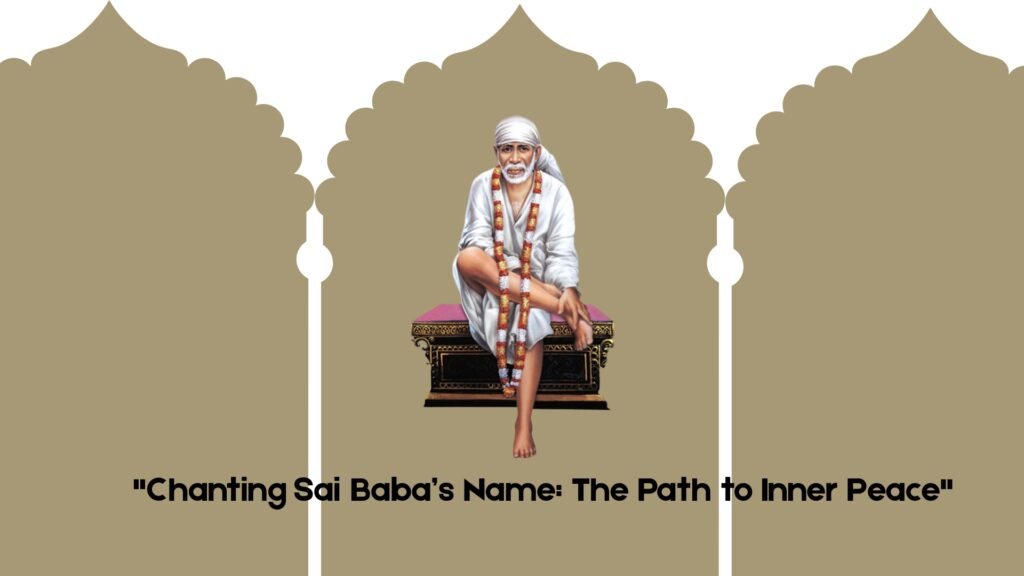
“Chanting Sai Baba’s Name: The Path to Inner Peace”
Introduction There’s a serene power in a name — especially when it belongs to a saint like Sai Baba. For many devotees of Sai Baba, the simple chant of “Om Sai Ram” isn’t just an utterance — it’s a meditation, a comfort, a bridge between turmoil and tranquility. At the heart of the practices supported by SNS Trust, chanting Sai Baba’s name — whether during Aarti, Pooja, or on the sacred day of Thursday — continues to be a profound path toward inner peace, surrender, and transformation. If you’ve ever sought calm amidst chaos, clarity in confusion, or solace in sorrow — this practice might be the gentle, constant companion you need. Why Chanting Names Works: Spiritual & Psychological Evidence Chanting As Meditation & Mindfulness Across spiritual traditions, repeating a divine name or mantra serves as a form of meditation. When we chant, our mind’s constant chatter — regrets, anxieties, endless to-dos — quiets down, replaced by rhythmic repetition and focus. As per the research summarized by the Spiritual Science Research Foundation (SSRF), chanting helps the mind and subconscious settle into calm, gradually reducing negative thought patterns and opening the heart to spiritual emotion. Spiritual Research Foundation+1 This isn’t just…
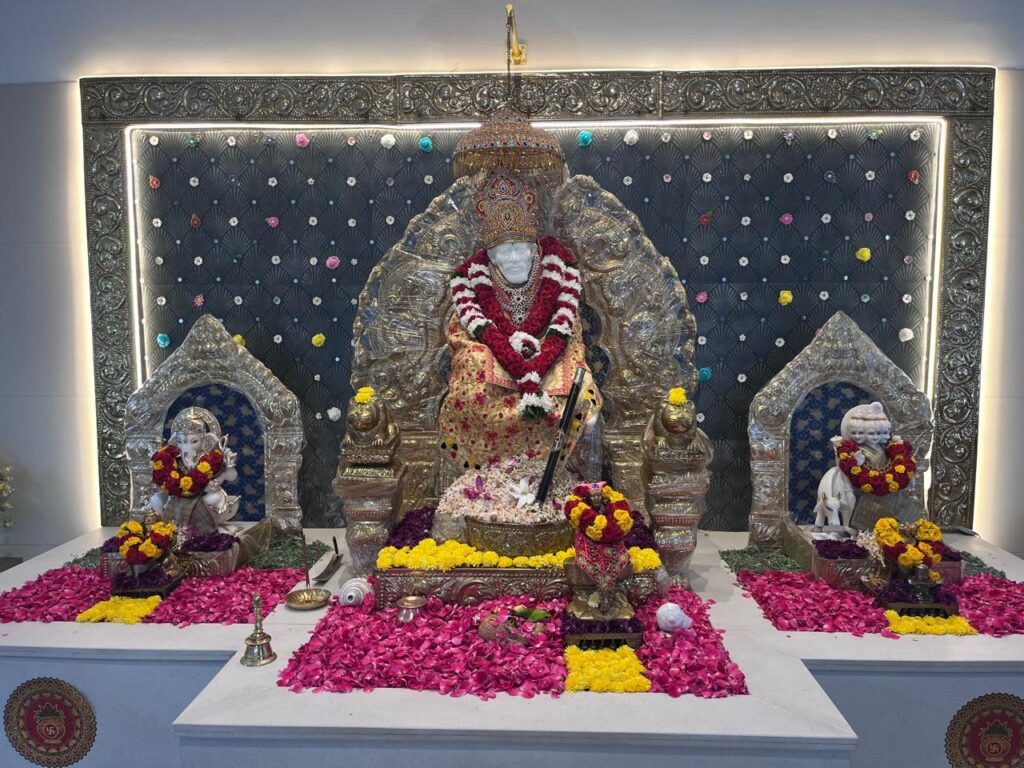
Why Visiting Athal Thottam is a Unique Spiritual Experience
Nestled in serene surroundings, Athal Thottam Shirdi Sai Baba Temple stands as a beacon of peace, devotion, and divine grace. Maintained with love and dedication by SNS Trust, this sacred place draws devotees from near and far who seek blessings, solace, and spiritual awakening. But what makes visiting Athal Thottam truly unique and transformative? Let’s explore why this temple isn’t just another pilgrimage site, but an experience that touches the soul. A Sanctuary of Silence & Devotion From the moment you step into the temple premises, you’re embraced by a profound silence that calms the mind and elevates the spirit. The lush green surroundings and open spaces create an environment that feels far removed from the chaos of daily life. Here, devotees find it easier to focus on prayer, self-reflection, and connection with Sai Baba. Sai Baba’s Presence Felt Everywhere The beautiful idol of Shirdi Sai Baba at Athal Thottam radiates warmth and serenity, reminding every visitor of His teachings of Shraddha (faith) and Saburi (patience). Many devotees have shared their experiences of feeling Baba’s divine presence during their visit — a gentle reassurance that their prayers have been heard. Rituals that Inspire the Heart Daily poojas, aartis, and bhajans…
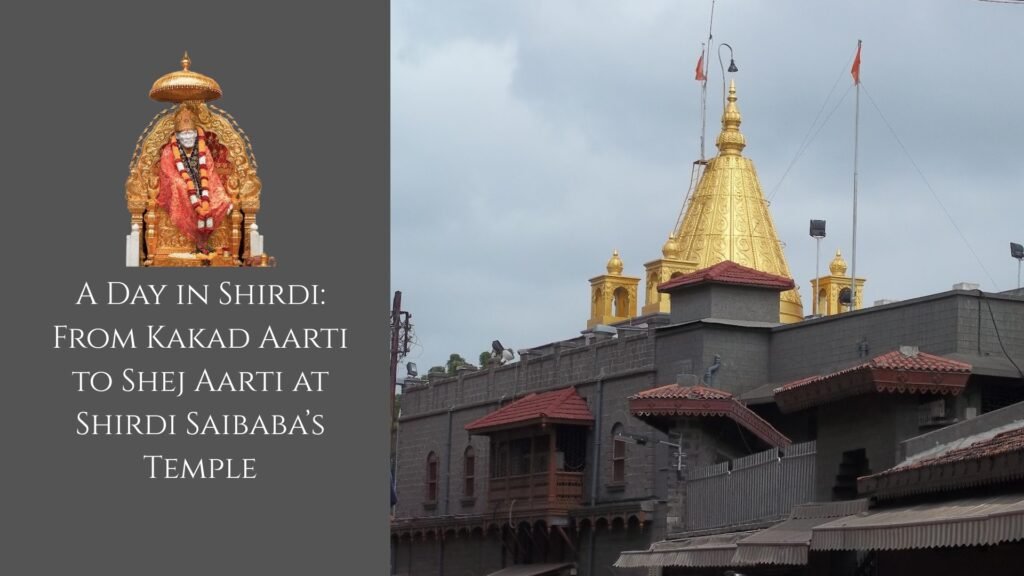
A Day in Shirdi: From Kakad Aarti to Shej Aarti at Shirdi Saibaba’s Temple
Introduction Imagine stepping into the stillness of dawn as you walk towards the golden spire of the Shirdi temple devoted to Sai Baba of Shirdi. The air is cool, the sound of bells faint, and you feel drawn into a space where faith meets ritual, where every moment feels charged with meaning. For devotees of Sai Baba, visiting this sacred place is not simply a tourist trip—it is a pilgrimage of the heart. In these hours—from the early-morning Kakad Aarti to the late-night Shej Aarti—you don’t just observe rituals, you live them. In this post I share a deeply personal take on a day in Shirdi, and interweave practical insight, fresh perspective and genuine reverence for the experience. Why Shirdi? To appreciate the day, it helps to understand the backdrop. Sai Baba (c.1838–1918) is revered as a saint who transcended religious boundaries, teaching love, forgiveness, service and inner peace.The temple complex in Shirdi—officially managed by the Shree Saibaba Sansthan Trust, Shirdi—draws tens of thousands of devotees daily. Amid this flow, there is calm, ritual, and a chance to tap into something timeless. The Day Begins: Kakad Aarti (Early Morning) The moment of awakening I arrived before 5 a.m., as the…
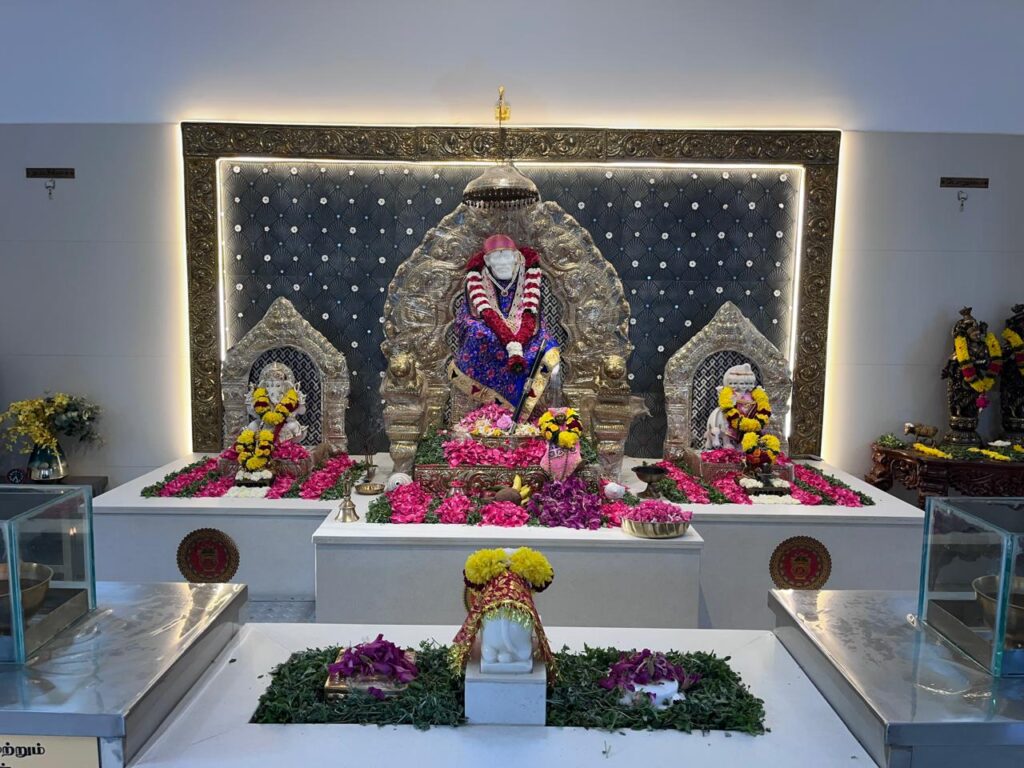
Athal Thottam Shirdi Saibaba Temple: A Divine Retreat in Veerapandi, Tirupur
Introduction India is home to countless spiritual destinations that provide solace and devotion to millions of worshippers. Among these, the Athal Thottam Shirdi Saibaba Temple in Veerapandi, Tirupur, stands as a beacon of faith, attracting devotees from far and wide. Managed by SNS Trust, this temple is dedicated to the revered saint Shirdi Saibaba, who is known for his teachings on love, devotion, and selfless service. Located amidst the serene surroundings of Veerapandi, this temple provides an enriching spiritual experience. The divine atmosphere, daily aarthi, and various pooja rituals make it a must-visit temple in Tirupur. If you are looking for peace and blessings, the Athal Thottam Shirdi Saibaba Temple is the place to be. History and Significance The Athal Thottam Shirdi Saibaba Temple was established with the vision of spreading the teachings of Shirdi Saibaba and fostering an environment of devotion and service. The temple is managed by SNS Trust, which has been instrumental in maintaining and promoting Sai Baba’s spiritual legacy. Shirdi Saibaba is one of the most beloved saints in India, known for his universal messages of harmony, faith, and love. His famous words, “Sabka Malik Ek” (God is One), resonate with devotees of all religions. This temple in Veerapandi, Tirupur, follows the same ideology and provides a space where people from all backgrounds…
Power of Sai Satcharitra: Transforming Lives Through Reading and Reflection
Introduction: When a Book Becomes a Blessing For millions of devotees worldwide, Sai Baba, His teachings, and His sacred text — Sai Satcharitra — are not merely spiritual references; they are a source of strength, clarity, and transformative life lessons. Many devotees begin their Thursday with a peaceful pooja, listen to the soothing aarathi, and read a chapter of the Sai Satcharitra as a grounding ritual. But what makes this humble text so powerful? How does a book written over a century ago continue to heal minds, comfort hearts, and guide everyday decisions? And why do institutions like the SNS Trust encourage devotees to embrace reading and reflection as a part of their spiritual journey? This blog explores the real power of Sai Satcharitra — through research, stories, philosophy, and practical guidance. What Makes Sai Satcharitra a Transformative Scripture? The Sai Satcharitra, authored by Govind Raghunath Dabholkar (Hemadpant), documents the divine leelas, teachings, and miracles of Shirdi Sai Baba. What sets it apart from traditional spiritual texts is its simplicity — anyone, regardless of background, religion, or age, can understand and relate to its message. 1. A Book Rooted in Real Experiences Unlike poetic mythologies, the Satcharitra is built on…
The Story of Thiyagi S.N. Sundarambal Trust: From Freedom Fighter Roots to Spiritual Service
Introduction: A Legacy Born from Courage and Compassion In the quiet town of Athal Thottam near Coimbatore, a story of sacrifice and service continues to inspire generations — the story of Thiyagi S.N. Sundarambal and the SNS Trust she inspired. Rooted in India’s freedom struggle and blossoming into a life of spiritual and social service, the Trust stands as a living example of how patriotism can evolve into humanitarianism. The name “Thiyagi”, meaning “martyr” or “selfless giver,” wasn’t just a title — it was a way of life for S.N. Sundarambal, whose unwavering commitment to freedom and welfare laid the foundation for the SNS Trust we know today. A Freedom Fighter’s Journey: The Spirit Behind SNS Trust To understand the soul of SNS Trust, one must first understand Thiyagi S.N. Sundarambal herself. Born in an era when women’s voices were often subdued, she broke barriers with quiet strength and fearless conviction. Her life was a symphony of service, sacrifice, and spirituality. During the Indian freedom movement, Sundarambal worked alongside local revolutionaries and reformists, contributing in ways that rarely made headlines but left a lasting impact on communities. Her focus was not just political liberation but also social empowerment — particularly…
“Guru Purnima at Sai Baba: A Festival of Faith and Gratitude
Introduction It was a bright full-moon day in the month of Ashadha when devotees of Sai Baba gathered at dawn, waiting for the first aarti. That scene captures the heart of what the festival of Guru Purnima means to us at SNS Trust. For devotees of Sai Baba, this day is more than a date on the calendar—it is a moment to pause, reflect, and renew our commitment with faith and gratitude. When we join the aarti and pooja rituals, especially on a sacred Thursday (many devotees treat Thursday as especially auspicious for Sai Baba), we are reconnecting with the meaning behind our devotion, the life lessons taught by our Guru, and the work of SNS Trust https://snstrust.in/ in creating spaces of service and sanctity. Why Guru Purnima Holds Special Meaning with Sai Baba A Day for the Guru Traditionally, Guru Purnima is the full-moon day when disciples honour their spiritual teacher. In the context of Sai Baba, this festival takes on unique resonance because Baba himself asked that his devotees mark this day of consecration. According to the official site of the Shri Saibaba Sansthan Trust in Shirdi, “Although it is of great importance in the temple, perhaps because…
“Why Thursday is Special for Sai Baba Devotees”
Introduction Have you ever wondered why so many devotees of Sai Baba start their week with hope and set aside Thursday for devotion? In the world of Sai Baba of Shirdi, Thursday is more than just another day—it’s a spiritual marker, a moment of connection, a rhythm of faith. Through the teachings of the Shri Saibaba Sansthan Trust, Shirdi and countless personal stories, we’ll explore why Thursday is special for Sai devotees—how the weekly rhythm, the ritual of the aarti and pooja, and Sai’s life lessons converge to make it a sacred time. Why Thursday? A Deeper Look Significance of the Day Rituals, Aarti & Pooja on Thursday How Thursday Reflects the Life Lessons of Sai Baba 1. Shraddha (Faith) and Saburi (Patience) Sai Baba’s two guiding principles—shraddha and saburi—find a weekly rhythm through Thursday observance. The act of setting aside one day, patiently repeating rituals, returning week after week, builds faith and patience simultaneously. 2. Equality and Service Sai Baba welcomed all, without distinction. The Thursday worship in his name transcends social barriers. The ritual of offering prasad, performing service, going to the temple reflects his teaching that service to humanity is service to God. 3. Remembrance and Steady…
Sai Baba’s Lessons on Equality and Respect Beyond Religion
In a world still divided by caste, creed, and belief, Sai Baba’s voice continues to echo through time — simple, compassionate, and inclusive. His message was clear: humanity is one, and love and respect must transcend all religious and social barriers. Today, his teachings find renewed life at places like the Athal Thottam Shirdi Sai Baba Temple in Tirupur, guided by the community spirit and service-driven mission of SNS Trust. But what makes Sai Baba’s vision of equality so relevant even a century later? And how can we truly live by it in our everyday lives? Let’s explore. The Spiritual Foundation of Equality: “Sabka Malik Ek” One of Sai Baba’s most powerful teachings — “Sabka Malik Ek” (One God governs all) — wasn’t just a phrase. It was a philosophy that formed the bedrock of his life and service. Sai Baba, who lived in Shirdi during the late 19th and early 20th centuries, never identified himself as belonging to a single religion. He dressed like a fakir, recited verses from both the Qur’an and the Bhagavad Gita, and encouraged visitors from all faiths to pray according to their own traditions. His life became a living bridge between Hinduism and Islam,…
Sai Baba’s Teachings on Karma and Compassion
Have you ever paused and asked: “Are my actions really creating value in someone’s life?” At the heart of this question lies the beautiful intersection of karma and compassion—two threads woven deeply by Sai Baba of Shirdi in his teachings. As part of the spiritual community nurtured by SNS Trust at the Athal Thottam Shirdi Saibaba Temple, we find these teachings to be more than concepts—they are lived values that guide service, reflection, and transformation. In this post, we’ll examine how Sai Baba’s insight on karma and compassion applies to today’s challenges, link them to the activities of the Trust and Temple, and share personal reflections and actionable take-aways. Rather than mere platitudes, this will be an invitation to live the message. Understanding Karma through Sai Baba’s Lens Karma: not just action, but intention and consequence In many spiritual traditions, “karma” carries baggage of judgment. But Sai Baba reframes it. According to a commentary on his doctrine: “The very idea becomes a person’s (soul’s) karma.” In other words, even our thoughts and intentions seed future consequences. One practical story from the Sri Sai Satcharitra illustrates this: Two gentlemen visit Shirdi offering different amounts of dakshina. Baba asks for only the…
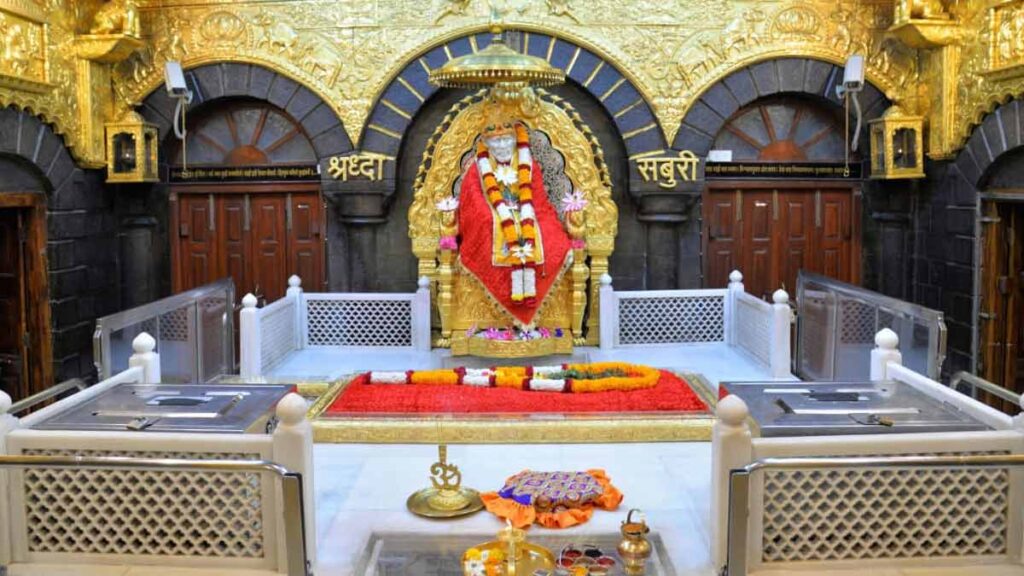
Some Important Life Lessons From Sai Baba
Lesson 01 "Be wherever you like, do whatever you choose, remember this well that all what you do is known to Me. I am the Inner Ruler of all and seated in their hearts. I am the mother - origin of all beings - the Harmony of three Gunas, the propeller of all senses, the Creator, Preserver and Destroyer. Nothing will harm him, who turns his attention towards Me, but Maya will lash or whip him who forgets Me. All the insects, ants, the visible, movable and immovable world, is My Body or Form". Lesson 02 "There will never be any dearth or scarcity, regarding food and clothes, in any devotees’ homes. It is my special characteristic, that I always look to, and provide, for the welfare of those devotees, who worship Me whole-heartedly with their minds ever fixed on Me. The form of the Deity should be firmly fixed in the mind. Let all the senses and mind be ever devoted to the worship of the Lord, let there be no attraction for any other thing; fix the mind in remembering Me always, so that it will not wander elsewhere, towards body, wealth and home. Then it will be...

🕉️ The Historical Context of Sai Baba’s Teachings
Sai Baba of Shirdi, a revered spiritual master, is one of the most iconic figures in Indian spirituality. His teachings, which transcend religion, caste, and culture, continue to inspire millions worldwide. Understanding Sai Baba’s philosophy requires looking at the historical and cultural backdrop of 19th-century India, a time of social, religious, and economic change. This exploration provides insight into why his messages of love, service, and faith remain timeless. 🌿 India in the 19th Century: Social and Religious Landscape Sai Baba lived in Shirdi, a small village in Maharashtra, during the late 19th and early 20th centuries—a period marked by significant upheaval. India was under British colonial rule, which brought both modernization and social tension. Religiously, the era was defined by a rigid caste system and strict adherence to rituals. Hindu and Muslim communities often remained socially segregated, yet both faced common challenges of poverty, illiteracy, and disease. It was within this environment that Sai Baba emerged, transcending societal divisions with his message of universal love and devotion. 🌸 Sai Baba’s Approach: Unity Beyond Religion Sai Baba’s teachings were remarkable for their inclusivity. Despite being born in a Hindu or possibly Muslim family (accounts vary), he chose to live as…
Spiritual Journeys: How Visiting Saibaba’s Temple Transforms Lives
For centuries, temples have been more than places of worship – they are sanctuaries of peace, devotion, and inner transformation. Among them, Shirdi Saibaba temples hold a special place in the hearts of millions. Known for his teachings of love, humility, and service, Saibaba continues to inspire devotees worldwide. At Athal Thottam Shirdi Saibaba Temple, managed by Thiyagi S. N Sundarambal Trust (SNSTrust), countless visitors experience a journey that is not just spiritual but deeply life-changing. 1. A Place of Inner Peace 🌸 In today’s fast-paced world, stress and anxiety often cloud our minds. The calm atmosphere of the temple, the sound of devotional chants, and the divine energy create a space for stillness. Many devotees share that even a few minutes of silent prayer here brings them lasting peace and clarity. 2. The Power of Faith 🌿 Visiting Saibaba’s temple is more than performing rituals – it’s about building faith. Devotees often find strength to face life’s challenges after bowing before Baba’s idol. Faith becomes a source of courage, patience, and positivity that carries them beyond the temple gates. 3. A Sense of Community 🤝 Every visit is also a reminder that you are not alone on your spiritual…

Simple & Humble Thiyagi S.N Sundarambal
Thiyagi S. N. Sundarambal from Tirupur was a pioneering freedom fighter and social activist who played a prominent role in India’s independence movement and dedicated her life to societal reform and the welfare of the oppressed Early Life and Background Sundarambal was born on October 7, 1913, in Veerapandi, Tiruppur, Tamil Nadu. Her father, Natchimuthu Goundar, was a local leader and maniyakkar, providing her a comfortable upbringing and social respect. Despite coming from an affluent background, Sundarambal chose the path of service over privilege, reflecting from an early age a deep sense of justice and empathy for the marginalized. Entry into Freedom Struggle Sundarambal’s patriotism blossomed as a teenager. At age 15, during a Congress Party meeting in 1928, Mahatma Gandhi urged attendees to contribute to the fight against British rule. Without hesitation, Sundarambal donated her gold bangles—treasured symbols for a young woman—to Gandhi. He appreciated her gesture, but advised her that true sacrifice would be joining the non-violent movement and wearing khadi instead of British-made clothes. This resolute guidance would shape her life forever; Sundarambal wore khadi for the rest of her days. Leadership in Protests and Prison Sentences Sundarambal quickly became a front-line activist in the freedom struggle….
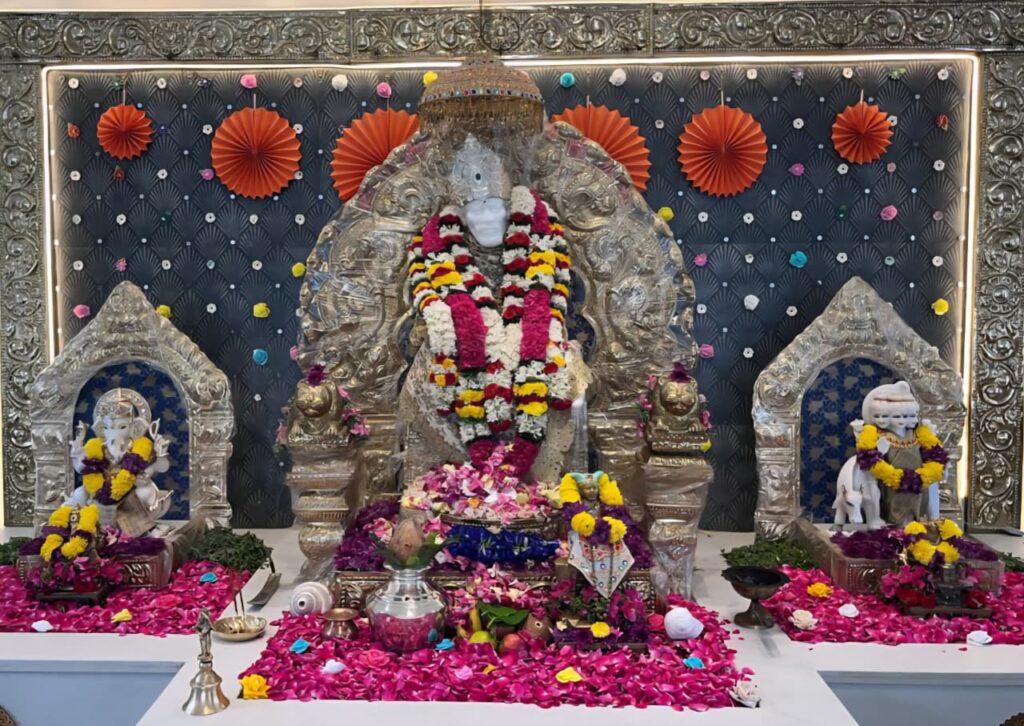
Athal Thottam Shirdi Saibaba Temple: A Divine Retreat in Veerapandi, Tirupur
Introduction India is home to countless spiritual destinations that provide solace and devotion to millions of worshippers. Among these, the Athal Thottam Shirdi Saibaba Temple in Veerapandi, Tirupur, stands as a beacon of faith, attracting devotees from far and wide. Managed by SNS Trust, this temple is dedicated to the revered saint Shirdi Saibaba, who is known for his teachings on love, devotion, and selfless service. Located amidst the serene surroundings of Veerapandi, this temple provides an enriching spiritual experience. The divine atmosphere, daily aarthi, and various pooja rituals make it a must-visit temple in Tirupur. If you are looking for peace and blessings, the Athal Thottam Shirdi Saibaba Temple is the place to be. History and Significance The Athal Thottam Shirdi Saibaba Temple was established with the vision of spreading the teachings of Shirdi Saibaba and fostering an environment of devotion and service. The temple is managed by SNS Trust, which has been instrumental in maintaining and promoting Sai Baba’s spiritual legacy. Shirdi Saibaba is one of the most beloved saints in India, known for his universal messages of harmony, faith, and love. His famous words, “Sabka Malik Ek” (God is One), resonate with devotees of all religions. This…
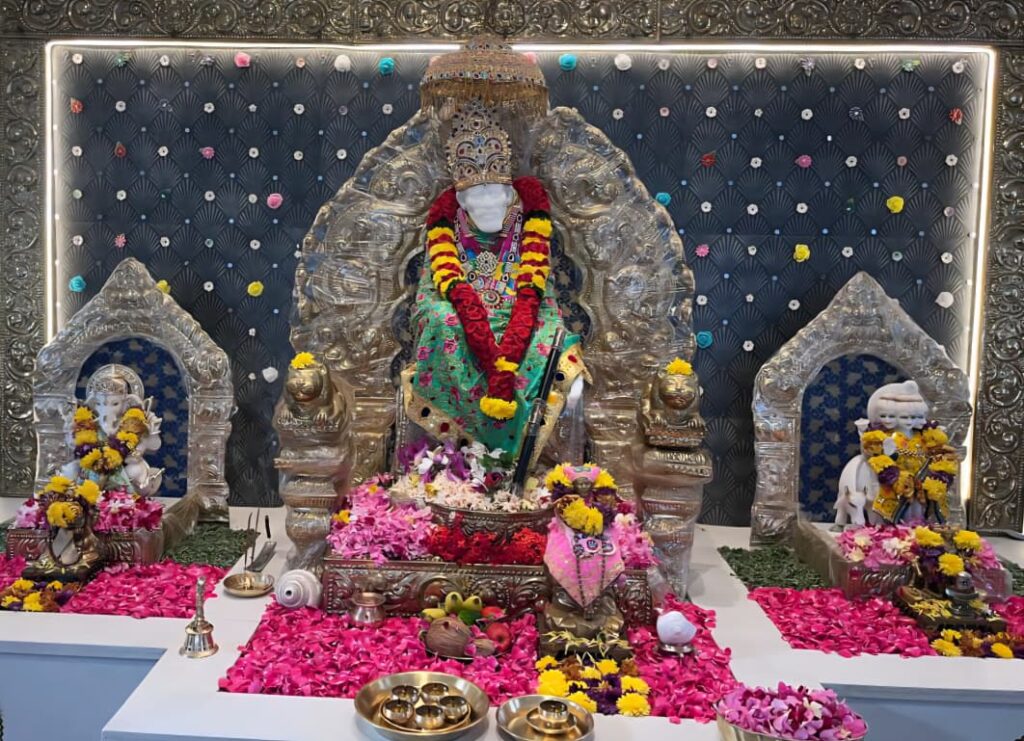
Living the Message: Stories of Faith from Temple Visitors
“Quiet Devotion“ At the heart of Athal Thottam Shirdi Sai Baba Temple lies not only the spiritual presence of Baba himself, but also the living faith of countless devotees who step through its sacred gates. Each visitor carries a unique story — a silent prayer, a moment of gratitude, or a journey of transformation. These stories, when shared, become testaments to Baba’s timeless message: “If you look to me, I look to you.” A Place Where Faith Finds Strength Many devotees who come to Athal Thottam share that the temple offers them an unexplainable sense of calm. The serene surroundings, the simplicity of rituals, and the absence of commercial distractions allow visitors to connect directly with Baba. For some, this space has been a turning point during personal struggles. A mother who visited during her child’s illness recalls how prayers here gave her courage: The Power of Silent Devotion What makes Athal Thottam truly unique is its quiet philosophy of devotion without demands. With no emphasis on donations or fundraising, devotees feel free to practice faith in its purest form. A visitor once shared, Living Baba’s Message Beyond the Temple The real power of these stories is not confined to…
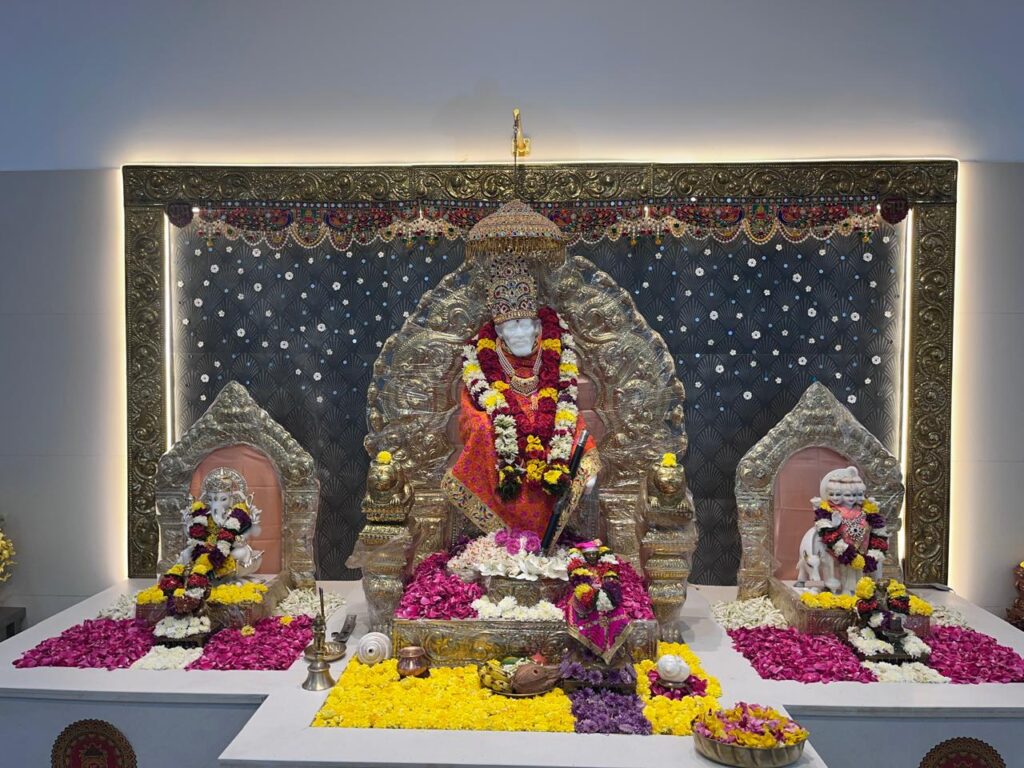
A Divine Experience at Athal Thottam Shirdi Saibaba Temple
Nestled in the serene village of Veerapandi, the Athal Thottam Shirdi Saibaba Temple is a haven of spirituality and peace. Known for its devotion to Shirdi Saibaba, this sacred temple is a popular destination for devotees seeking blessings and solace. With its tranquil surroundings and divine ambiance, the temple attracts visitors from near and far. The Temple and Its Atmosphere Located amidst lush greenery, Athal Thottam Shirdi Saibaba Temple is a true embodiment of simplicity and spirituality, reflecting the teachings of Shirdi Saibaba. The idol of Baba in the sanctum radiates a calming energy, making visitors feel an instant connection with the divine. Devotees often chant “Om Sai Ram” as they bow before Baba’s statue, filling the air with devotion and positivity. The temple is not just a place for worship but also a hub for spiritual growth. Visitors often come here to meditate, pray, and immerse themselves in Baba’s teachings of love, compassion, and equality. Highlights of the Temple• Morning and Evening Aartis: The rhythmic chants and melodious bhajans during the aartis are a soul-stirring experience that leaves devotees feeling rejuvenated.• Palki Procession: On special occasions, the temple organizes a Palki procession, honoring Shirdi Saibaba in grand style. Devotees…
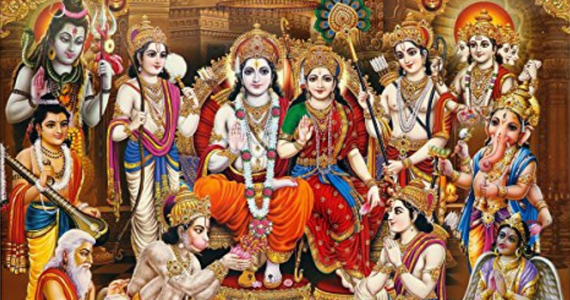
Miracles Of Shirdi Sai Baba
Sai baba of shirdi reported many miracles. He performed many miracles such as levitation, bilocation, materialization, reading of peoples mind, entering tomb at his own will,removal of body parts and affixing them again including intestines. Took rebirth after 3 days, cured the ill, and saved the people by stopping the falling mosque. There are hundreds of miracles reported at shirdi by shirdi sai baba. People believe that reading sai charitha is good for all types of problems in the family and all health issues. There are several blogs written on sai baba and his day to day miracles in devotee life. This is increasing lots of faith in people. Devotee often says that. Shirdi sai baba gave darshan to them in form of lord rama, Krishna etc., Many stories were framed on shirdi of sai baba by his followers. They say that saibaba used to come in dream and gave them advice on what to do and what not to do. The sacred vibhuti/ udhi (ash) which was distributed to all who visited to see Sai Baba has cured illness.