Introduction
It was a bright full-moon day in the month of Ashadha when devotees of Sai Baba gathered at dawn, waiting for the first aarti. That scene captures the heart of what the festival of Guru Purnima means to us at SNS Trust. For devotees of Sai Baba, this day is more than a date on the calendar—it is a moment to pause, reflect, and renew our commitment with faith and gratitude. When we join the aarti and pooja rituals, especially on a sacred Thursday (many devotees treat Thursday as especially auspicious for Sai Baba), we are reconnecting with the meaning behind our devotion, the life lessons taught by our Guru, and the work of SNS Trust https://snstrust.in/ in creating spaces of service and sanctity.
Why Guru Purnima Holds Special Meaning with Sai Baba
A Day for the Guru
Traditionally, Guru Purnima is the full-moon day when disciples honour their spiritual teacher. In the context of Sai Baba, this festival takes on unique resonance because Baba himself asked that his devotees mark this day of consecration. According to the official site of the Shri Saibaba Sansthan Trust in Shirdi, “Although it is of great importance in the temple, perhaps because it is the only festival which Baba asked us to celebrate.”
The Thursday Connection
Many Sai Baba devotees regard Thursday as the Guru’s day—an ideal time for aarti, silent reflection and pooja. While Guru Purnima itself moves according to the lunar calendar, Thursdays during this period and the festival itself become even more luminous with rituals, devotion and collective energy.
Aarti & Pooja: Rituals that Deepen Meaning
On this day, special poojas are performed—Guru Paduka pooja, archana and abhishekam—dedicated to Sai Baba. For example, devotees performing the Guru Pooja honour their Guru’s presence and blessings. The morning aarti (often Kakad Aarti) sets the tone, followed by midday and evening aartis, creating a rhythm of devotion that mirrors the Guru–disciple relationship.
Life Lessons Embedded in the Celebrations
The festival isn’t just external gift‐giving and ritual; it invites us to internalize the teachings of Sai Baba — faith (“shraddha”), patience (“saburi”), selfless service, humility. These life lessons are not just spoken about; they are lived in how we approach the festival, how SNS Trust offers service, how each devotee shows respect and gratitude to the Guru.
What Happens at SNS Trust on Guru Purnima
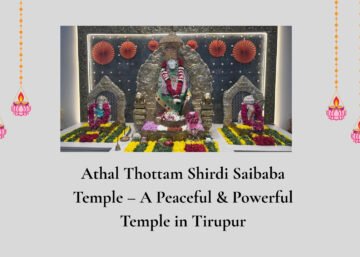
At the SNS Trust managed temple at Athal Thottam (or other affiliated centres) one can experience the daily pooja cycle extended for the Guru Purnima occasion. The “Temple Daily Pooja” page of SNS Trust confirms regular poojas and special services organized for such festivals. snstrust.in
Here’s how many devotees experience the day:
- Early morning Kakad Aarti: The temple opens, bells ring, aarti lamps glow, and devotees gather in quiet anticipation.
- Guru Poornima Special Pooja: This might include Guru Paduka pooja, offering of flowers, lamps and sweets at the lotus feet of Sai Baba.
- Midday aarti & special Havans/Archana: These connect the devotee community in shared prayer and singing of bhajans.
- Evening aarti (Dhoop/Sandhya aarti) and concluding rituals: The day ends in a crescendo of lamps, chants, and collective silence.
- Reflection & service: Many devotees also engage in seva (service) — giving prasadam, helping other devotees, or contributing donations. The larger Shirdi complex recorded over ₹6.3 crore in donations during Guru Purnima in 2025, showing how faith turns into action. For SNS Trust this is more than ritual: it is an expression of the Guru’s principle of “service to humanity”. Through pooja, aarti, and dedicated devotion, the festival becomes a platform for connecting our inner spiritual life with outward action.
Four Life Lessons from Guru Purnima with Sai Baba
1. Faith In The Unseen
When devotees stand in the queue for aarti, or sit quietly in front of the lit lamp, they are affirming that there is more to life than the visible. Sai Baba’s message urges us to trust the Guru’s grace even when the path is uncertain.
2. Patience in Practice
The full-moon day amplifies the time of waiting and watching — waiting for darshan, waiting for grace, waiting for clarity. These phases teach us “saburi” — patience as a spiritual power rather than mere passivity.
3. Service Beyond Self
On this day, the act of pooja becomes the act of service: arranging lamps, cleaning the mandir area, offering food to devotees. In the festival’s rush and ritual we find the living lesson: the Guru isn’t just in a shrine but in every act of kindness.
4. Gratitude As Living Attitude
Guru Purnima is, at its heart, a day of thanksgiving. When devotees touch the Guru’s feet, offer flowers, sing bhajans and leave with prasadam—these are outward signs of inward gratitude. SNS Trust invites each one to carry that gratitude into everyday life, not just one day a year.
Why Visiting Shirdi or Engaging from Afar Matters
Whether you’re physically in Shirdi or participating through an affiliated centre like SNS Trust, the environment of Guru Purnima helps deepen the meaning of your faith. The pilgrimage becomes a mirror—reflecting our attitude toward life, our relationship with our Guru, and our willingness to live the teachings beyond ritual.
Moreover, SNS Trust’s role in facilitating daily aarti, pooja, and community service means that the message of Sai Baba—faith, patience, compassion—is embedded in every festival arrangement, not just on the full-moon day.
Conclusion
When the full moon rises on the month of Ashadha, and the temple bell at Shirdi reverberates with the first aarti of the day, we do more than mark a calendar date. We stand in the presence of our Guru, we renew our faith in Sai Baba, we immerse ourselves in the hymns and the fire of the lamps, and we commit ourselves to live the lessons of the day: faith, patience, service, gratitude.
From the morning Kakad aarti to the final evening pooja, from the offering of flowers to the sharing of prasadam, the festival of Guru Purnima invites us into a more subtle, more powerful relationship with our spiritual teacher and with life itself.
How will you honour Sai Baba this Guru Purnima? Will you join the aarti-pooja at the temple managed by SNS Trust or participate online? Share your reflections below — what life-lesson from Sai Baba stands most alive to you this year? And if you’re planning a visit, allow SNS Trust’s services to support your devotion—gratitude expressed becomes grace received.